Everest Base Camp (EBC) trekking has been a popular destination for trekkers since the very first expeditions to the Nepalese side of Mt. Everest was accomplished in 1953. To reach this part of the Himalaya within a limited time, we have devised this two weeks of Everest base camp treks which runs directly Kathmandu to Lukla Everest base camp via Namche Bazaar,Thyangboche Monastery and Dingboche then enjoying the panorama views Kalapatthar then return back to Lukla then fly to Kathmandu.
Everest base camp trek a very well known adventure mountain treks in Nepal, starts at the upper Phakding and follows the Dudh Kosi valley gently climbing up to the Sherpa capital of Solukhumbu; Namche, a bustling bazaar that’s a junction for trekkers, the local Sherpa and expeditions en route to the mighty Mt. Everest trek.
Sagarmatha National Park or Everest National Park, which covers 1748 sq.km and it was established in 1976. This National Park was enlisted as the natural heritage sites of Nepal in 1979. All along this part of the trails, villages are interspersed with magnificent forests of rhododendron, magnolia and giant firs. In both the early autumn and late spring, the flowers on this portion of the Everest base camp trek make it the kind of walk you will remember for a life time.
Everest Base Camp Trekking itinerary is designed for beginner trekkers who are in good health with average physical fitness. The ample distance covered between daily itineraries, steady gain of altitude and separate rest days ensures that we are properly acclimatized to fully enjoy our trek to the Everest base camp.
But, if you wish to take up a bigger challenge offered by Nepal Everest Adventures and “stay off the beaten path”, then Everest Base Camp Treks via Gokyo Cho La Pass EBC Trekking would be ideal. Another option for experienced trekkers with more time would be Jiri Everest Base Camp Trekking – 23 Days.
It's important for you to carefully review the inclusions and exclusions provided by Nepal Everest Adventures and clarify any uncertainties before booking the Everest Base Camp Trek. Additionally, you should consider your personal preferences, budget, and specific needs when before your trip booking and you need extra days for this trip because kathmandu Lukla flights unshertently Cancel due to the weather.


Trek from Phakding to Namche Bazaar, which takes about 5-6 hours. The trail includes some steep ascents and offers stunning views of Mt. Everest and other peaks.
Spend a day in Namche Bazaar for acclimatization. You can explore the town, visit the Sherpa Museum, and take a short hike to Everest View Hotel for panoramic views.
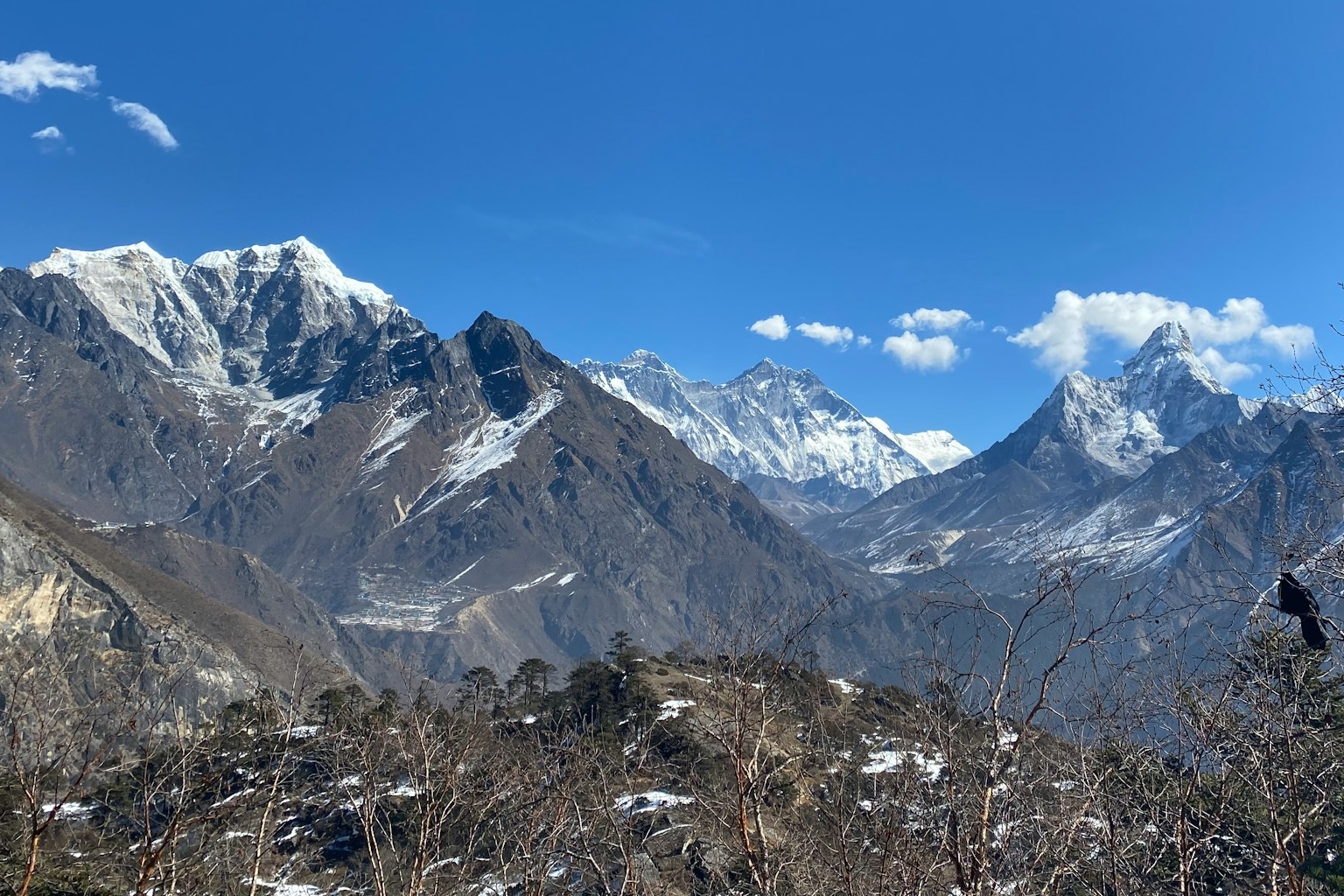
Trek from Namche Bazaar to Tengboche, which takes around 5-6 hours. The trail offers views of Mt. Everest, Ama Dablam, and other peaks. Visit the famous Tengboche Monastery.
Trek from Tengboche to Dingboche, which takes about 5-6 hours. The trail passes through rhododendron forests and offers views of snow-capped peaks.
Spend a day in Dingboche for acclimatization. You can take a day hike to Nangkartshang or Chukkung Peak for stunning views of the surrounding mountains.
Trek from Dingboche to Lobuche, which takes around 5-6 hours. The trail gradually ascends, and you'll notice the landscape becoming more rugged and barren.
Trek from Lobuche to Gorak Shep, which takes about 3-4 hours. Hike from Gorak Shep to Everest Base Camp and return, which takes around 6-7 hours in total. The trail is challenging but offers incredible views of the Khumbu Glacier and surrounding peaks.
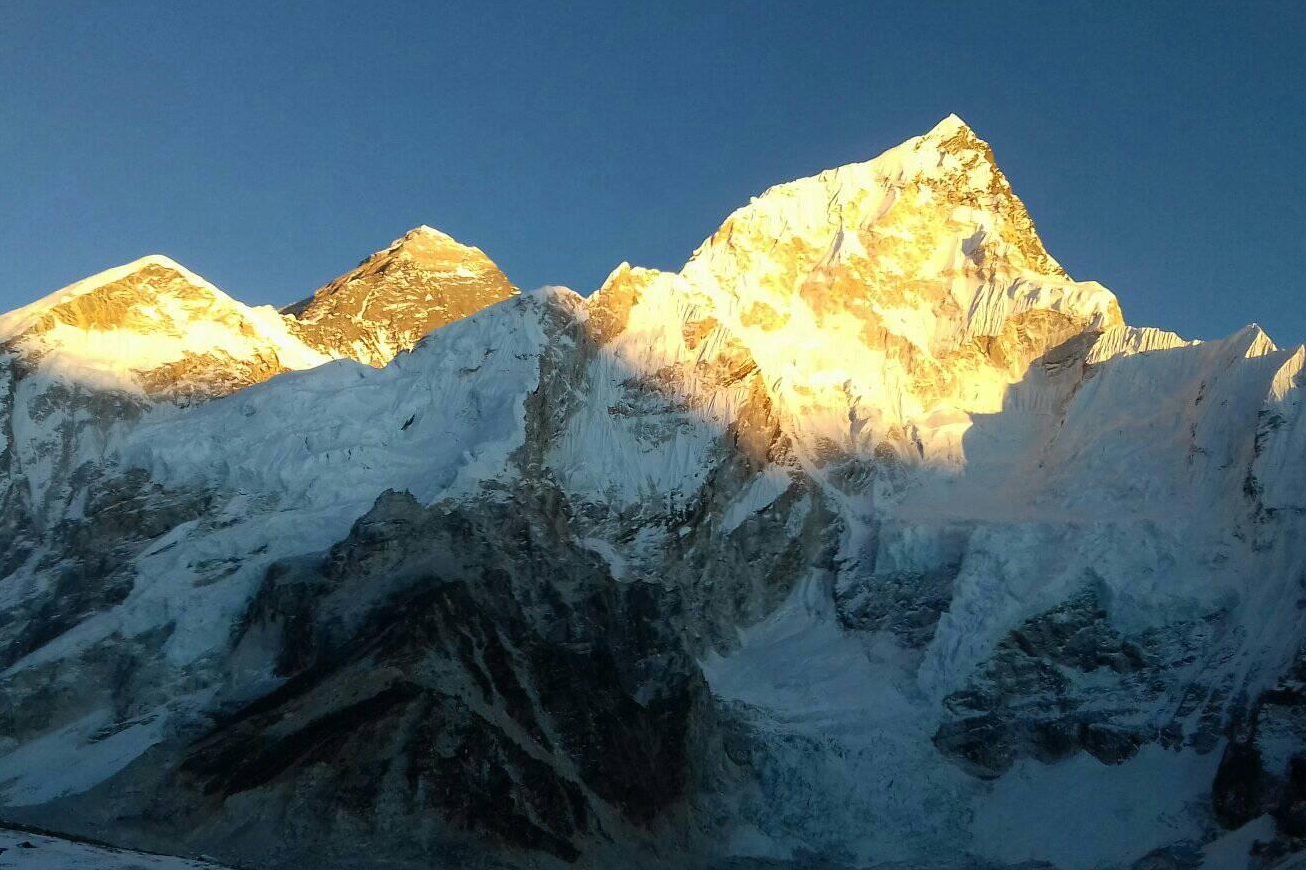
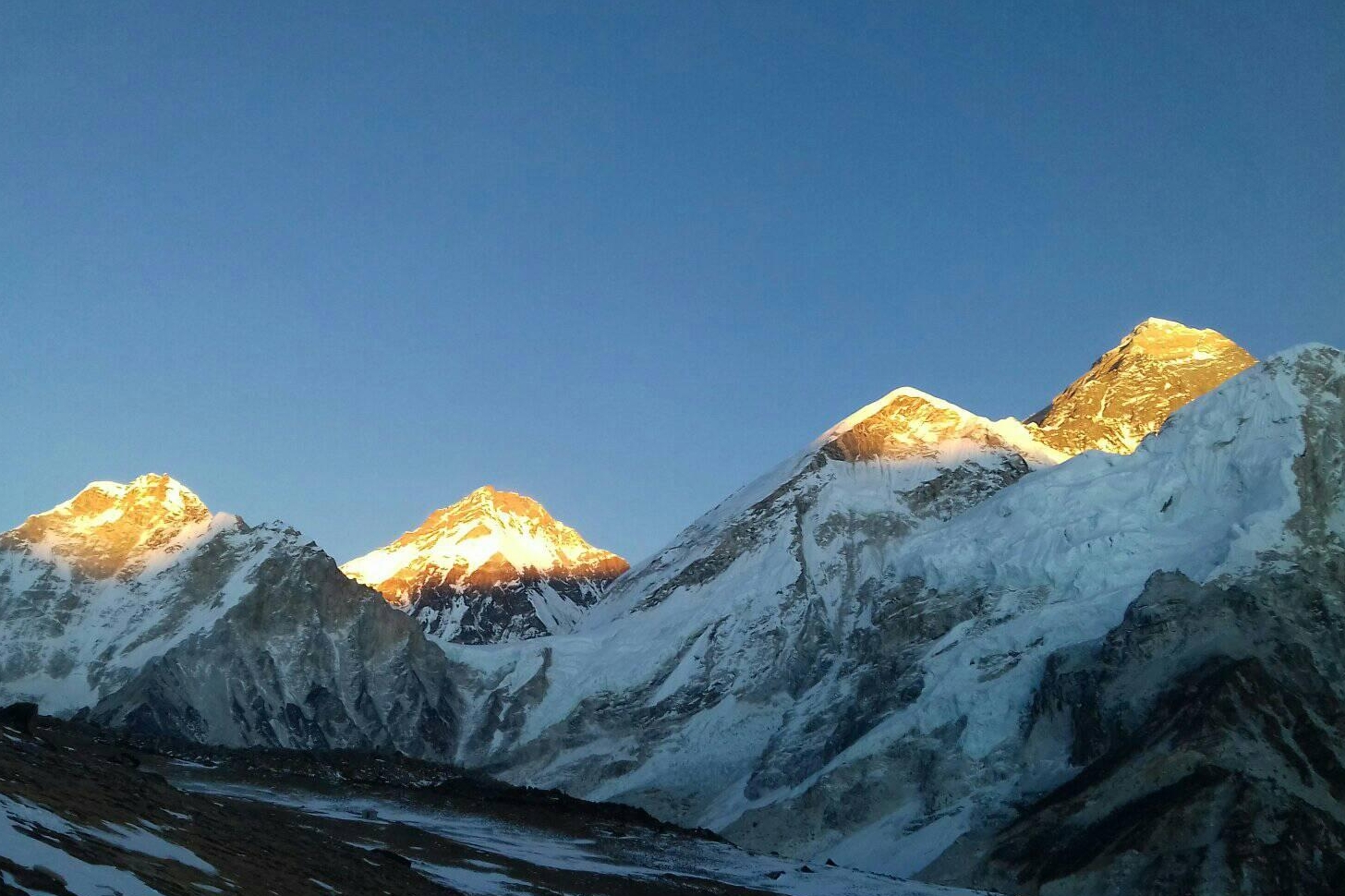
Early morning hike to Kala Patthar for sunrise views over Mt. Everest and other and Descend to Pheriche, which takes about 7-8 hours.
Trek from Pheriche to Namche Bazaar, retracing your steps, which takes around 6-7 hours.
Trek from Namche Bazaar to Lukla, which takes about 6-7 hours.
Take an early morning flight from Lukla to Kathmandu.
Depart from Kathmandu, marking the end of your Everest Base Camp trek.


Everest Base Camp Trekking Map
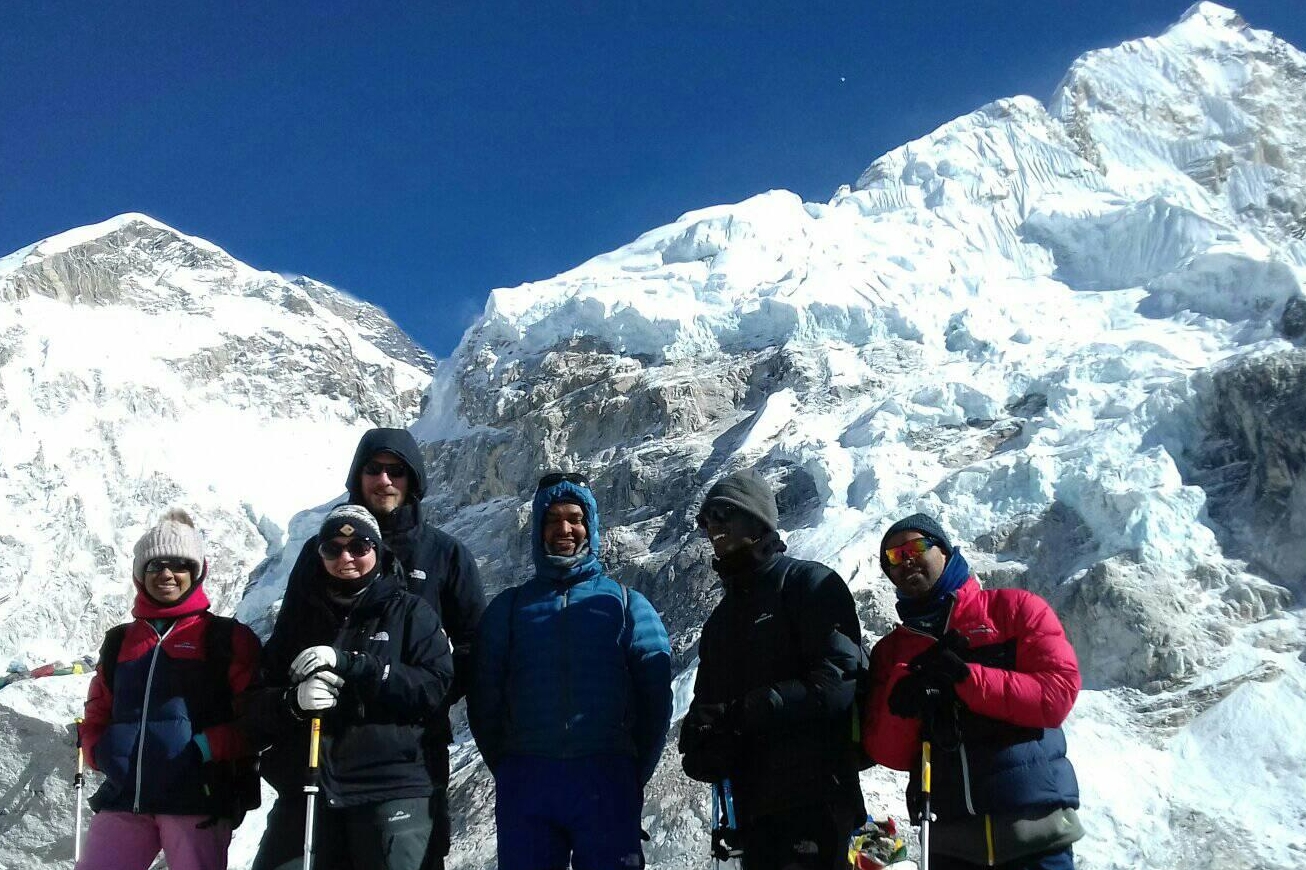
Visiting Nepal is the most amazing experiences for me. The majestic mountain along the way make me excited . This trip become so easy and happy because i had Tika as our guide. He help us a lot and i feel like a big brother accompany his sister, we feel safe and happy. Thank You Tika, i hope we can meet up again for EBC 2020.
Clothing
Handwear
Footwear
Gear
Miscellaneous
The trek typically takes about 12-14 days, depending on the route and the acclimatization schedule.
Highlights include stunning views of Mount Everest and other Himalayan peaks, visiting traditional Sherpa villages like Namche Bazaar, Tengboche Monastery, and reaching Everest Base Camp itself.
The best time to trek is during the pre-monsoon (March to May) and post-monsoon (late September to November) seasons when the weather is usually clear and stable.
While you don't need to be an elite athlete, a good level of fitness is important. Regular cardiovascular exercise and strength training can help prepare you for the trek's physical demands.
Acclimatization is key. Take it slow, stay hydrated, and follow the recommended itinerary, which includes rest days for your body to adjust to the altitude. Diamox (acetazolamide) can also help prevent and alleviate symptoms.
Yes, you'll need permits from the Nepal government. The two main permits required are the Sagarmatha National Park Permit and the TIMS (Trekkers' Information Management System) card.
Costs vary depending on factors such as the duration of the trek, whether you hire a guide or porter, your choice of accommodation, and any additional expenses like permits and equipment rental. On average, budgeting around $1000 to $1760 USD should cover most expenses for a standard trek.
These FAQs should provide a good starting point for anyone considering the Everest Base Camp trek. If you have any more specific questions, feel free to ask Nepal Everest Adventures .
Essential items include sturdy trekking boots, warm clothing layers, a sleeping bag, sunscreen, sunglasses, a hat, water purification tablets, and a first aid kit.
Teahouses (basic lodges) are the most common accommodation option along the Everest Base Camp route. They provide basic facilities like a bed, blanket, and meals. It's advisable to bring a sleeping bag for extra warmth and comfort.
Yes, it's common for you to hire local guides and/or porters. Guides can provide valuable insight into the region, help with navigation, and ensure safety. Porters can carry your heavy backpack, allowing you to enjoy the trek without the burden of a heavy load.